
I have just been introduced to a whole new concept, coined the carbon dioxide fertilization effect, when I came across an article published last week in Nature Climate Change. Can carbon dioxide actually act as a fertilizer, helping plants to grow bigger and faster with higher levels in the atmosphere?
Author: xiaozhi
Fish, mercury and ADHD

I was browsing through EurekAlert the other day for new studies to blog about and came across this title: Low-level mercury exposure in pregnant women connected to risk in Attention Deficit Hyperactivity Disorder (ADHD). Now, I normally wouldn’t follow through on such an article, as I am: a. not pregnant, b. everyone knows mercury is toxic, so it shouldn’t be surprising that it causes problems. But the word ‘fish’ in the press release got my attention because I love eating fish and yes, I like to know what’s going on with my food, so I clicked on it and read the paper.
Landscaping science – now and an example in history

A story appeared on the front page of the Boston Globe on Wednesday reporting that the National Institutes of Health (NIH) spending will be cut by 8.2% to help reduce federal deficit.
My first American presidential ‘debate’

Thoughts on my first time watching a United States presidential debate.
Print the Organ that You Need
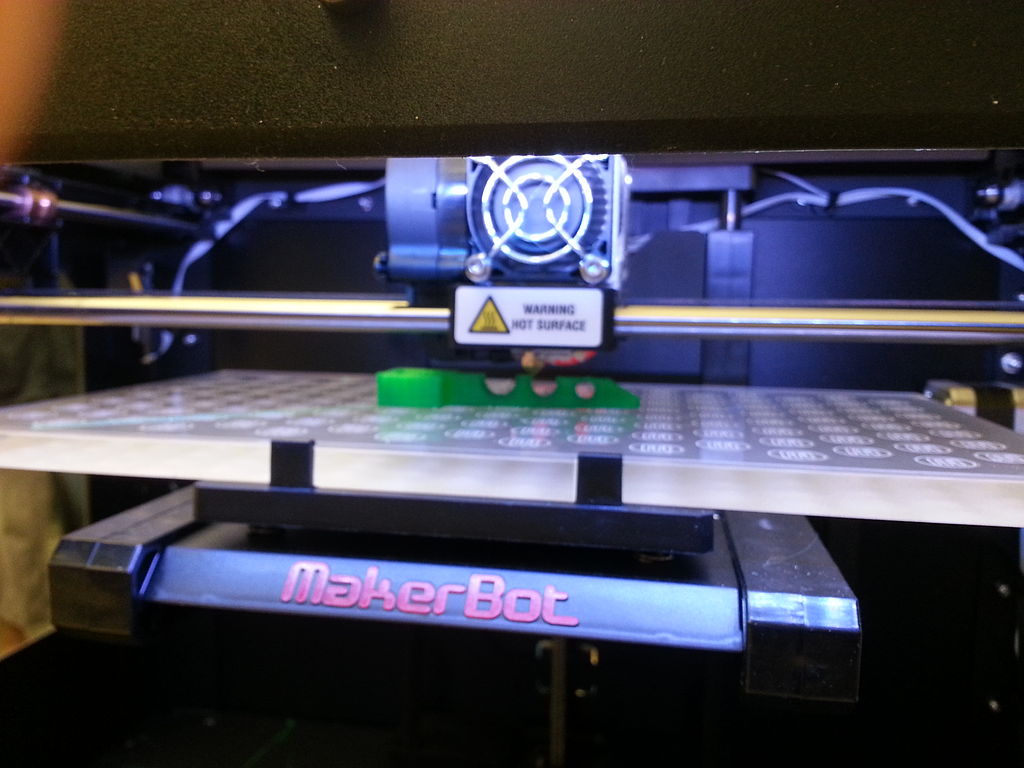
Imagine printing a picture on a piece of paper, and printing over it repeatedly such that the picture ‘grows’ out of the paper and into a three-dimensional structure. Researchers from University of California, San Diego and collaborators from Zhejiang University did that, but with biocompatible polymers instead of regular ink to form complex three-dimensional scaffolds. The researchers can then inject living cells into these scaffolds to create artificial organs.
Broadcast of the Human Sperm Swimming Olympics

Human sperm’s race to their finish line used to be a private affair. Now, scientists at the University of California, Los Angeles, have developed a novel technique to view and monitor the sperm’s movement patterns in a dish.
Tofu, contact lens and cartilage

For many people with severely torn ligaments or knee replacements, the ability to run and jump as though they have never been injured before remains a dream. Tissue engineering might lead to the day when damaged cartilage can simply be replaced with synthetic materials that resemble human tissue, giving injured joints new life. In an article published last week in Nature, that day comes closer when a team of eight scientists reported the synthesis of a novel hydrogel that is extraordinarily strong, stretchable and capable of self-healing.