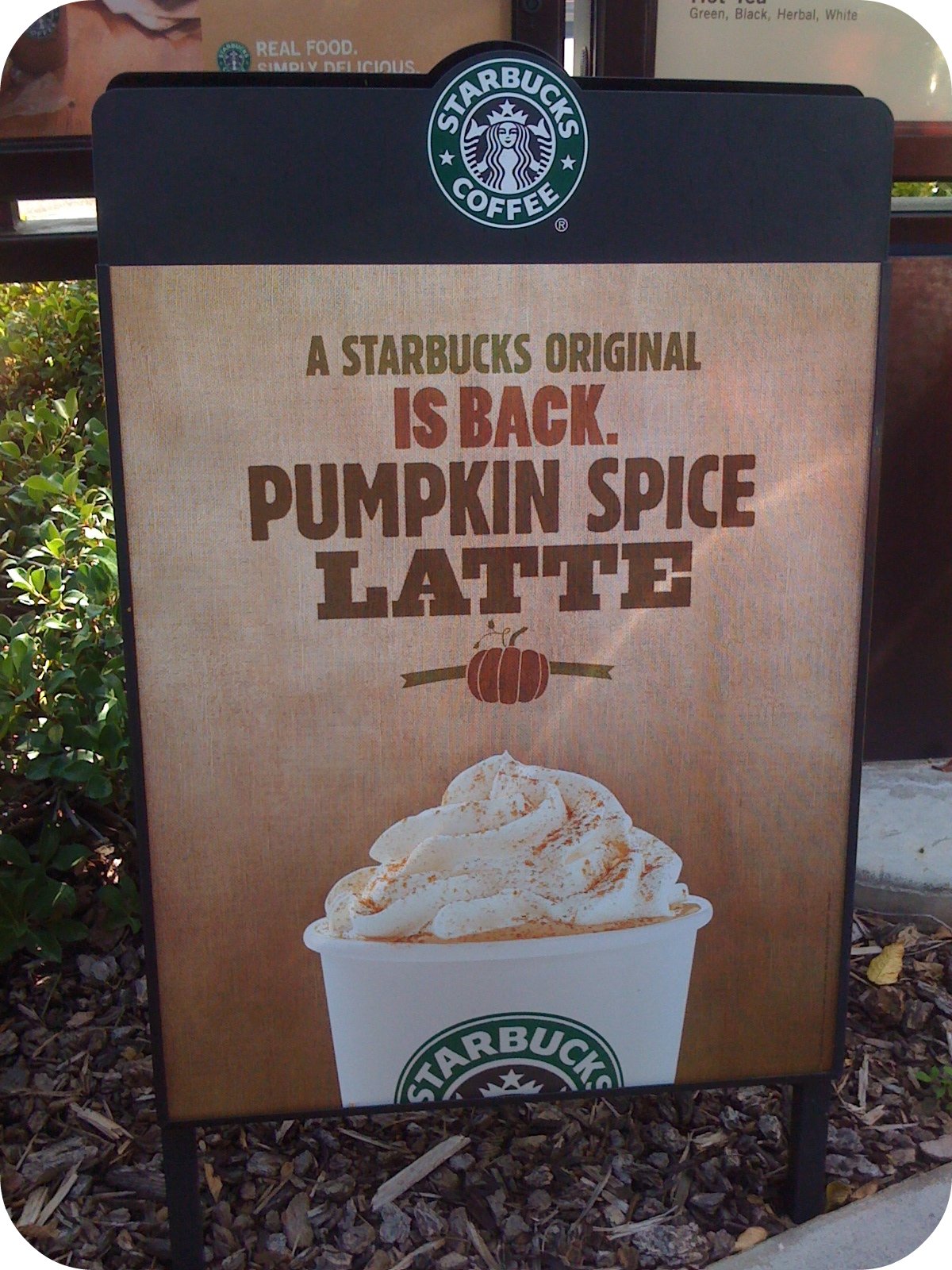
This morning the New York Times had a new video, What’s In It: Pumpkin Flavor, which explained how stuff like pumpkin spice lattes get their signature flavors. Not too surprisingly, there’s no pumpkin involved. Pumpkin provides more texture than flavor, and I’m pretty sure a pumpkin-textured latte wouldn’t be a seller.
Author: xiaozhi
Industrial Nitrogen Fixation: A History Of Fertilizers
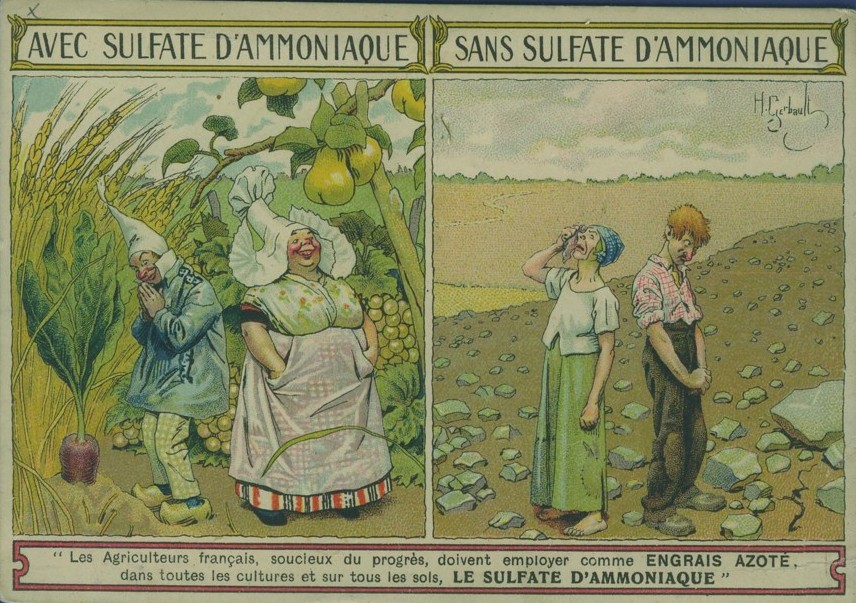
This interactive was produced using Verite Timeline as an accompanying graphic for a short news piece that I wrote for Boston University News Service, Scientists Report First Step Away From Fertilizers. The graphic was designed to pull attention to all the good and the bad that synthetic fertilizers have done for humanity: helped to feed the… Continue reading Industrial Nitrogen Fixation: A History Of Fertilizers
Scientists Report First Step Away From Fertilizers
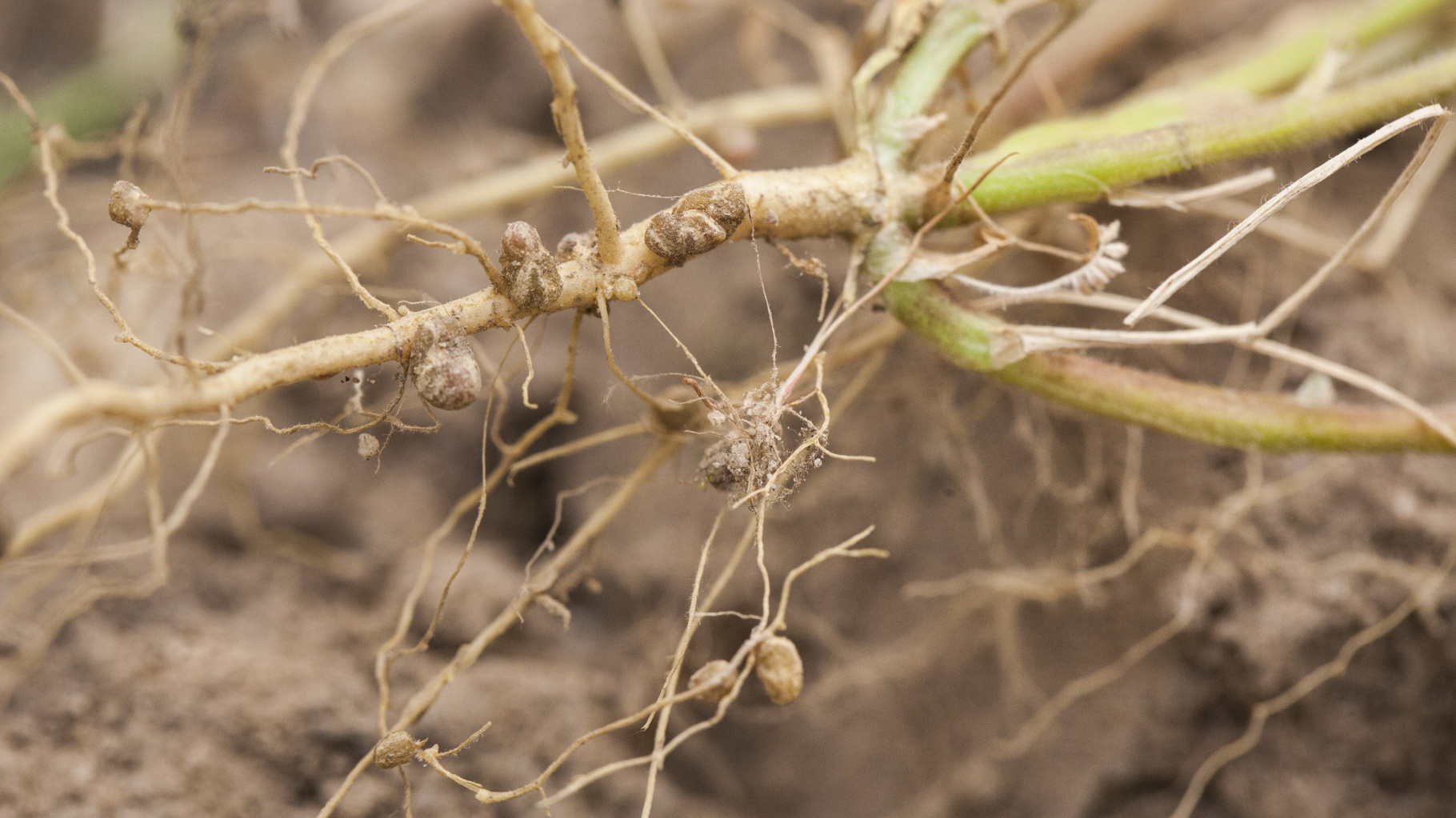
Boston University News Service – Before synthetic nitrogen fertilizers existed, plants and bacteria worked together to return nutrients to the soil. A type of bacteria living in plant roots, called nitrogen-fixing bacteria or Rhizobia, enriches the soil with nitrogen from the atmosphere, making it available to the host plants. But not all plants can host Rhizobia, because the plants’ immune systems repel the bacteria. Scientists have long believed that only legumes, or plants like soybean, pea, and alfalfa, could chemically communicate, and therefore accept, the nitrogen-fixing bacteria.
Boston University Pumpkin Drop
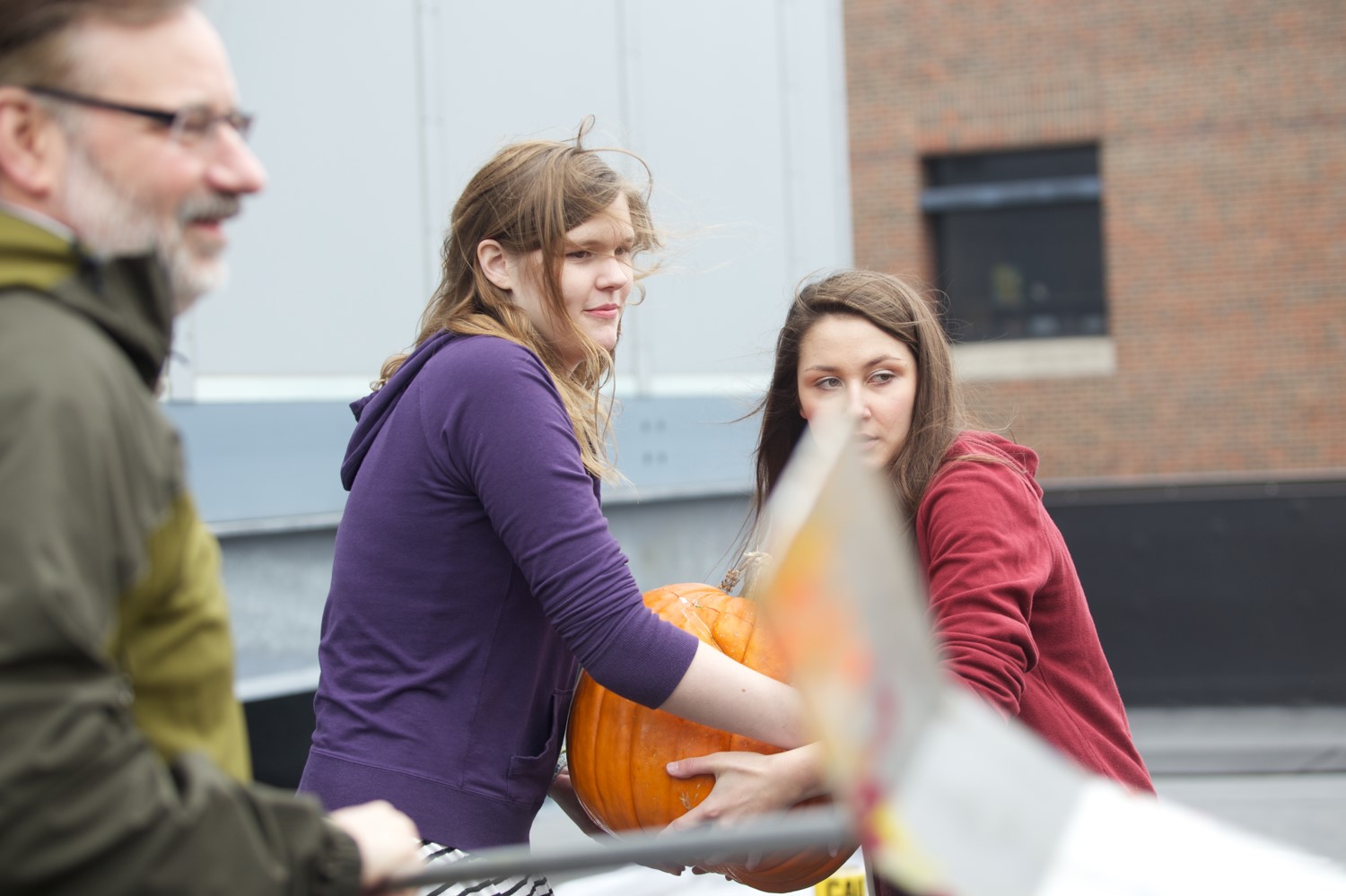
For a photojournalism class that I took in fall 2013, I had to turn in a complete picture story every Monday. One of them was the annual Boston University Pumpkin Drop, held by the Boston University physics department. Staff and students fill some 40 pumpkins with paint and flour, and then push the pumpkins off… Continue reading Boston University Pumpkin Drop
Three chemistry tricks to spice up your Halloween
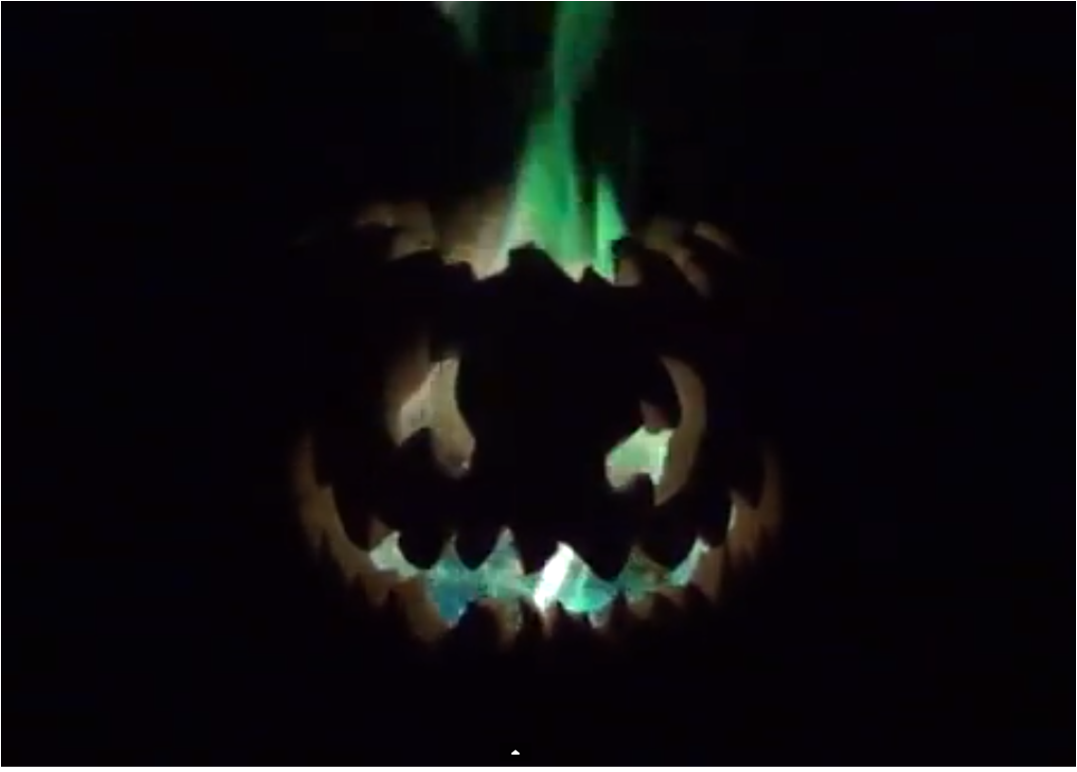
If you stayed up last night celebrating the Red Sox win and have to throw a badass Halloween party tonight, here’s three cool chemistry tricks using common items to help you out.
Plants to dye for
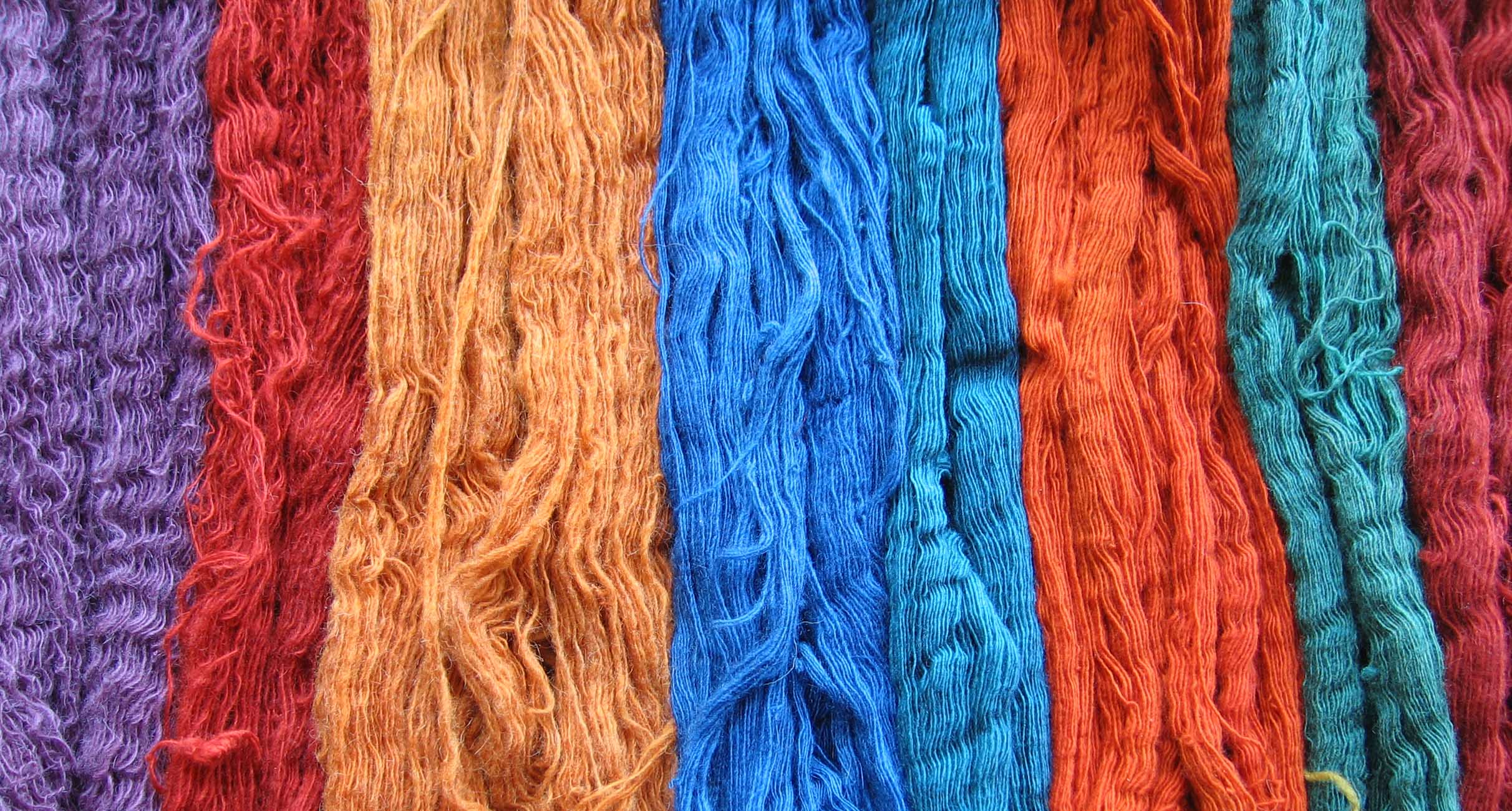
Over the summer, I came across natural dyeing and a group of people who were doing it in Brooklyn, New York. It ended up being a video story for my internship at Bytesize Science, American Chemical Society, and The Chemistry of Natural Dyeing just came out this Monday. Watch it here!
Carbon Day 2013

A treat for passers-by at Copley Square yesterday: Carbon Day 2013! Co-sponsored by Boston University Sustainable Neighborhood Lab and the City of Boston Greenovate, Carbon Day is a public exhibition event to promote awareness about carbon and educate the public about steps they can take to reduce their carbon footprint, according to organizer Linda Grosser from Boston University. Pictures available!
This week in Nobel Prizes

An overview of this week in Nobel Prizes.
Shutdown affects scientific community more than a dark panda cam
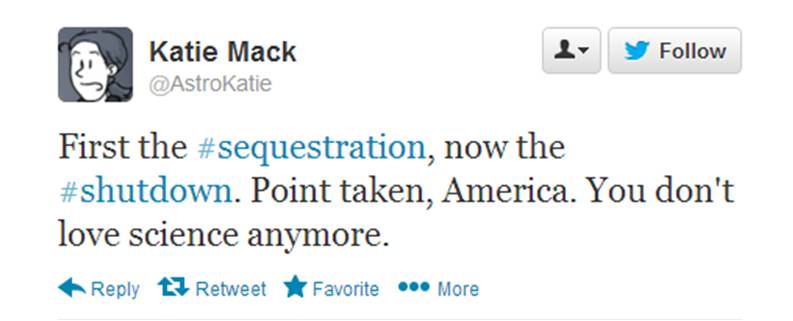
Day 3 of shutdown. Three days without the panda cam. But many scientists and researchers barred from work can’t care less; the panda cam is the least of their worries. Here are some examples from a Reddit discussion.
Did human activity cause lobster shell disease?
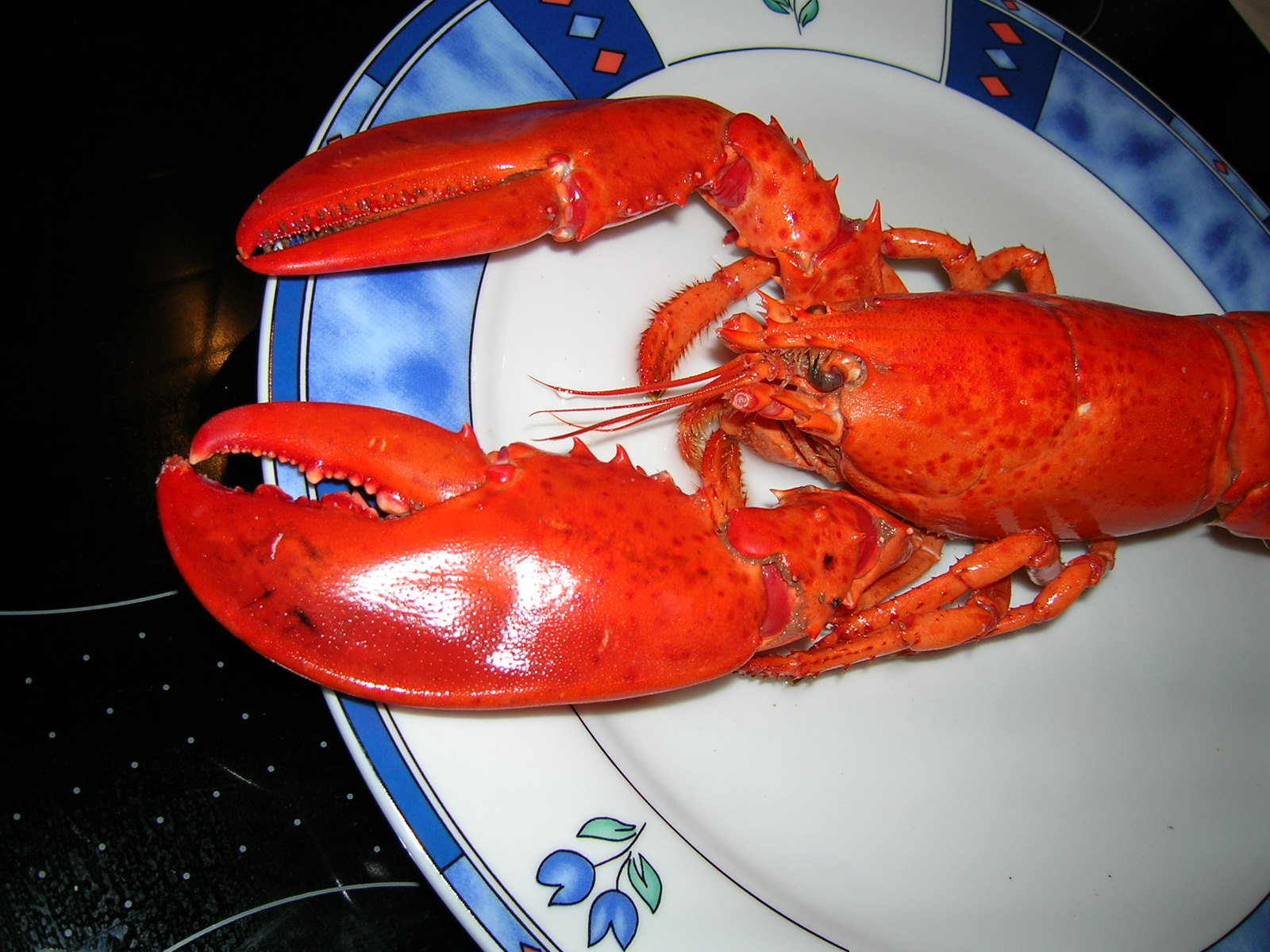
Here’s a treat for lobster-lovers: a video from the American Chemical Society featuring the New England Aquarium director of research, Dr. Michael Tlusty, explaining why they turn red when they’re cooked, but also introducing shell disease, a problem that has been troubling lobsters for a while. This was one of the videos that I produced with colleague, Kirk Zamieroski, while I was on internship with the American Chemical Society over the summer.